Your First Southeast Asia Solo Adventure: Real Budget Numbers, Smart Safety Moves, and the Towns You've Never Heard Of
Let's be honest — the moment you tell someone you're heading to Southeast Asia alone, they hit you with a look. Half excitement, half concern. But here's the thing: millions of solo travelers, many of them Americans on their very first big international trip, move through Thailand, Vietnam, and Cambodia every single year without incident. And they come back changed.
This guide is your starting point. We're talking actual costs (not the rosy estimates you see on Instagram), honest safety advice that goes beyond "don't flash your cash," and a handful of destinations that most tourists completely skip — which means you get the magic without the crowds.
Why Southeast Asia Is Still One of the Best Calls for Solo Travelers
The region has built an incredible infrastructure around independent travelers. Hostels with social common areas, well-worn backpacker routes, affordable guided day trips, and locals who are genuinely accustomed to foreigners navigating on their own — it all adds up to a place that feels approachable even when you're figuring things out in real time.
For Americans specifically, the time zone difference (usually 11–13 hours ahead) means your family and friends back home are sleeping when you're exploring, which actually removes a lot of distraction. You end up more present. More curious. More you.
Thailand: Budget Breakdown for the Solo Traveler
Bangkok is the entry point for most, and yes, it deserves its reputation. But your money goes further the moment you leave the capital.
Daily budget estimates (mid-range solo traveler):
- Accommodation: $15–$35/night (hostel dorm to private guesthouse room)
- Food: $8–$18/day (street food + one sit-down meal)
- Transportation: $3–$10/day (songthaews, tuk-tuks, occasional taxi apps like Grab)
- Activities: $10–$25/day (temple entries, cooking classes, boat tours)
Comfortable daily total: $36–$88
Chiang Mai is where many solo travelers find their groove. The Old City is walkable, cooking classes run about $30–$40, and a private room at a guesthouse can cost as little as $20. Meanwhile, the northern town of Pai — a three-hour mountain bus ride from Chiang Mai — offers a slower pace, hot springs, and a genuinely warm community of long-term travelers and locals. It's the kind of place you book for two nights and end up staying for a week.
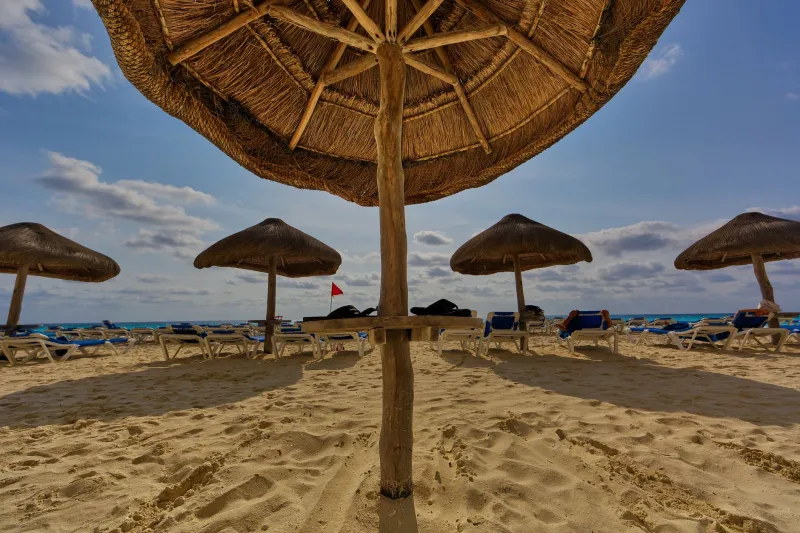
For beaches, skip the overrun Phi Phi Islands and look at Koh Lanta or Koh Yao Noi. Fewer party boats, better snorkeling, and guesthouses that actually want to chat with you.
Vietnam: Where Your Dollar Stretches the Furthest
Vietnam is arguably the best value in Southeast Asia right now. The food alone is worth the flight.
Daily budget estimates:
- Accommodation: $10–$30/night
- Food: $5–$12/day (pho for breakfast is genuinely $1.50 in many cities)
- Transportation: $5–$15/day (xe om motorbike taxis, sleeper buses between cities)
- Activities: $5–$20/day
Comfortable daily total: $25–$77
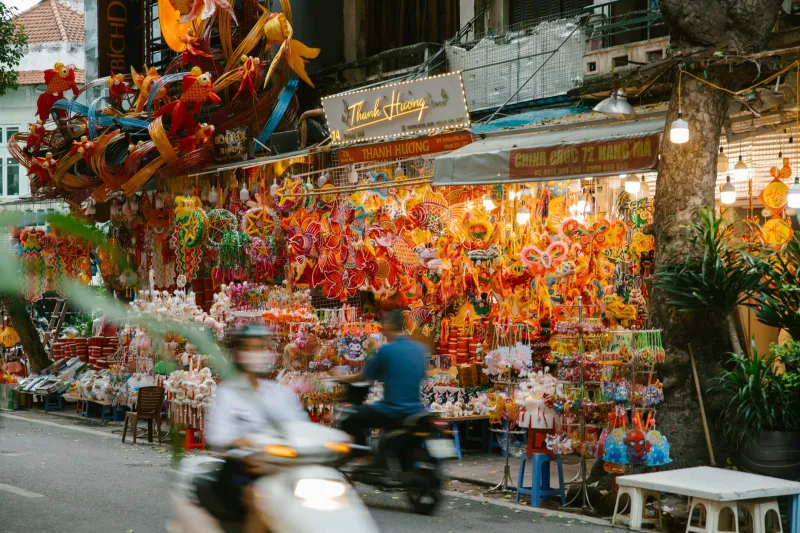
Hoi An gets a lot of love, and rightfully so — the lantern-lit Ancient Town is legitimately beautiful. But Phong Nha, a small town in central Vietnam near the world's largest cave systems, sees a fraction of the tourist traffic. You can kayak through jungle rivers, tour cave systems that feel genuinely otherworldly, and eat some of the best local food in the country for next to nothing.
For solo travelers who want a city fix, Da Nang offers beaches, a manageable size, and great café culture without the intensity of Ho Chi Minh City.
Cambodia: More Than Angkor Wat
Angkor Wat is a must — full stop. But Cambodia offers a lot more depth than the temple circuit.
Daily budget estimates:
- Accommodation: $10–$30/night
- Food: $6–$15/day
- Transportation: $4–$12/day (tuk-tuks remain the main mode)
- Activities: $10–$37/day (Angkor Wat pass alone is $37 for one day)
Comfortable daily total: $30–$94
Kampot, a riverside town near the coast, has quietly become one of the most beloved spots among repeat visitors to the region. It's laid-back, surprisingly creative, and surrounded by pepper farms and jungle. Kep, just 30 minutes away, sits right on the Gulf of Thailand and serves the freshest crab you'll ever eat.
Safety Tips That Actually Matter
The basics are real: keep digital copies of your passport, use a money belt in crowded markets, and never leave your drink unattended. But here's the stuff that often gets skipped:
Download Grab before you land. It works across Thailand, Vietnam, and Cambodia. No haggling, no overcharging, GPS-tracked rides. It's the single most useful safety tool in the region.
Trust guesthouses over apps for local intel. Hostel and guesthouse staff know which tuk-tuk drivers are trustworthy, which tours are legit, and which areas to avoid after dark. Ask them. They want you to have a good experience.
Share your itinerary. Text your plans to someone back home before you head to a new location. It takes 30 seconds and gives your family peace of mind — and honestly, it gives you peace of mind too.
Solo doesn't mean alone. Hostels, cooking classes, pub crawls, day tours — these are built-in ways to connect with other travelers. You'll rarely feel isolated unless you want to be.
Building Your Itinerary
A common three-week framework for first-timers:
- Days 1–5: Bangkok (city orientation, temples, street food)
- Days 6–10: Northern Thailand — Chiang Mai, optional Pai side trip
- Days 11–14: Vietnam — fly into Hanoi, head south via sleeper train
- Days 15–17: Hoi An
- Days 18–21: Cambodia — Siem Reap and Angkor Wat, then Kampot
This route hits the highlights while leaving room for the unexpected — which is usually where the best memories live.
Southeast Asia rewards the curious and the spontaneous. You don't need a perfect plan. You just need a starting point — and now you've got one.